


China Tel: +86-13761540945
Thailand Tel: +66 99 109 1956
Thailand Tel: +66 92 242 5845
liwu78465@gmail.com



File cabinets Supplier
-
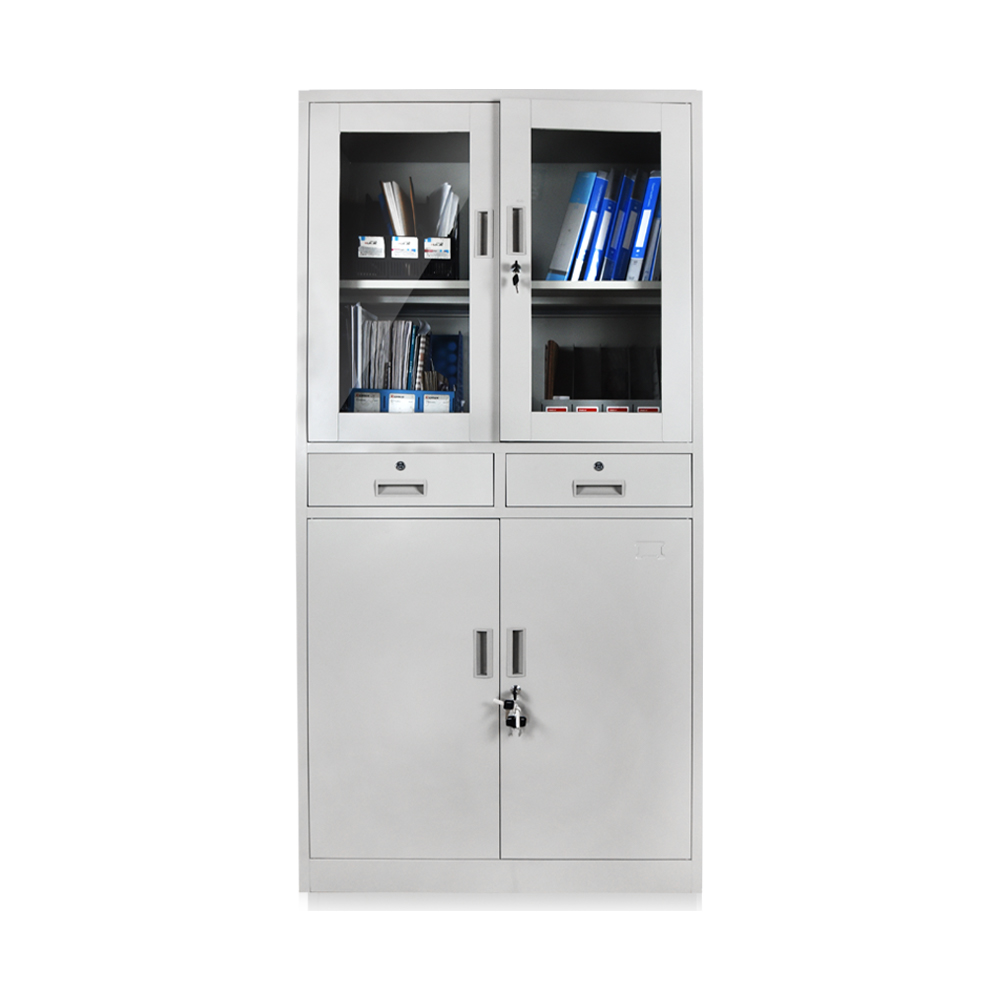 File Filing Storage Cabinet for Office
【Heavy-Duty High-Capacity Home Storage Rack】 This heavy-duty storage rack is engineered for home use,...
-
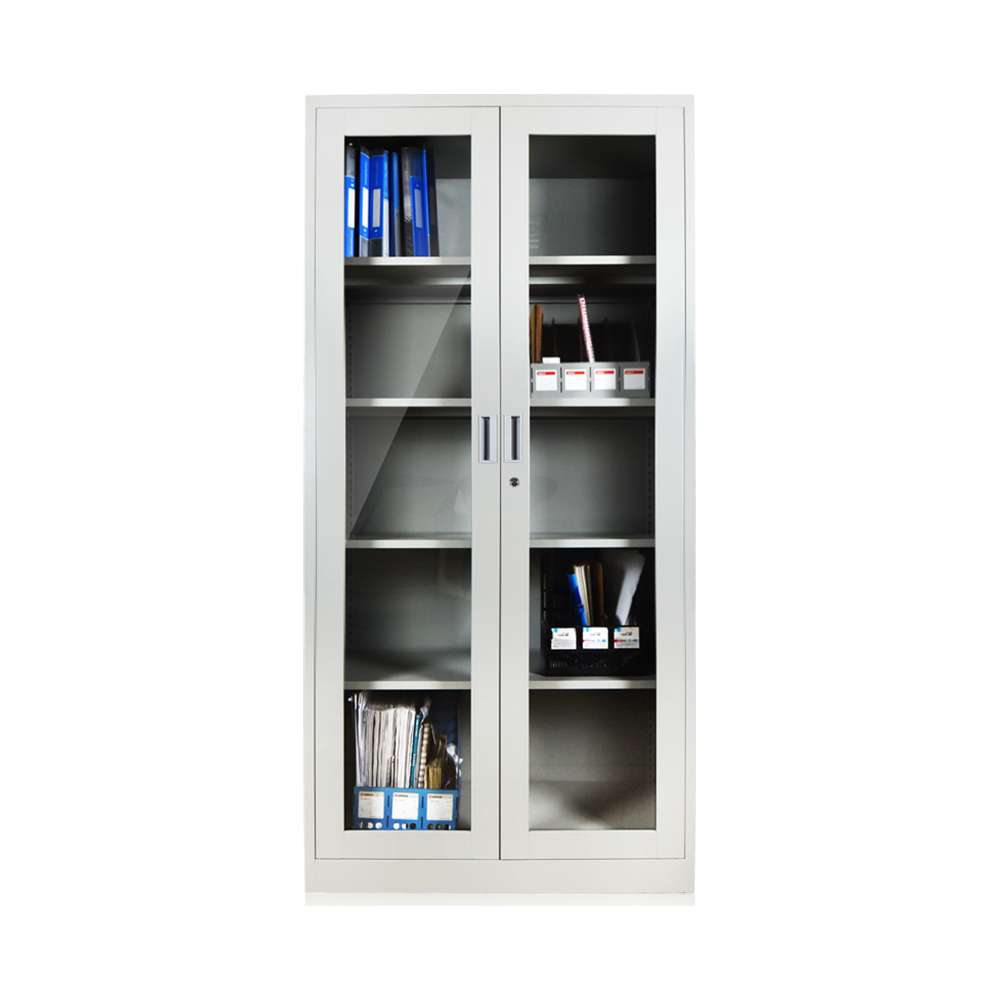 Lockable Metal Office File & Document Storage Cabinet
【Ideal for Home Garage, Basement & Workshop Storage】 This heavy-duty storage rack is the perfect solu...
This lockable metal file cabinet combines glass-front compartments, drawers, and enclosed storage to keep documents organized and secure. The sleek, durable design is perfect for professional office use.
Applications
·Offices: Storing confidential files, contracts, and records.
·Workspaces: Organizing stationery, folders, and equipment.
·Home offices: Securing personal documents and paperwork.
What Sets Us Apart
Who We Are
Better Shelving, Better Business
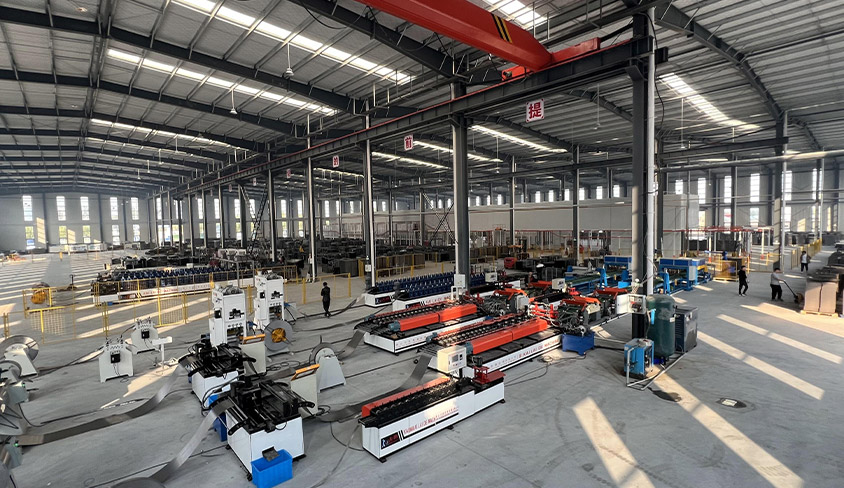
Shanghai King Global Shelf Co.,Ltd. is a leading manufacturer of shelving and storage solutions for
logistics and warehousing. Specializing in home racks, industry heavy-duty shelving, and warehouse
optimization systems. Founded in 2010, we have built strong production capability with a modern facility,
experienced team, and reliable quality control. We are China File cabinets Supplier and Wholesale File cabinets Factory, our products are designed to improve display, storage
efficiency, and space utilization for different markets. With stable quality, flexible solutions,
and responsive service, we support customers in both domestic and overseas markets.
About Us


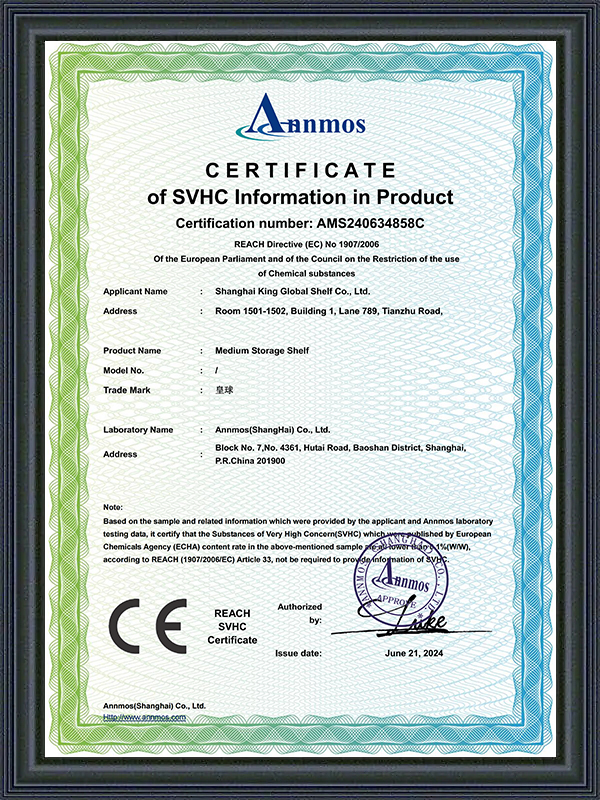
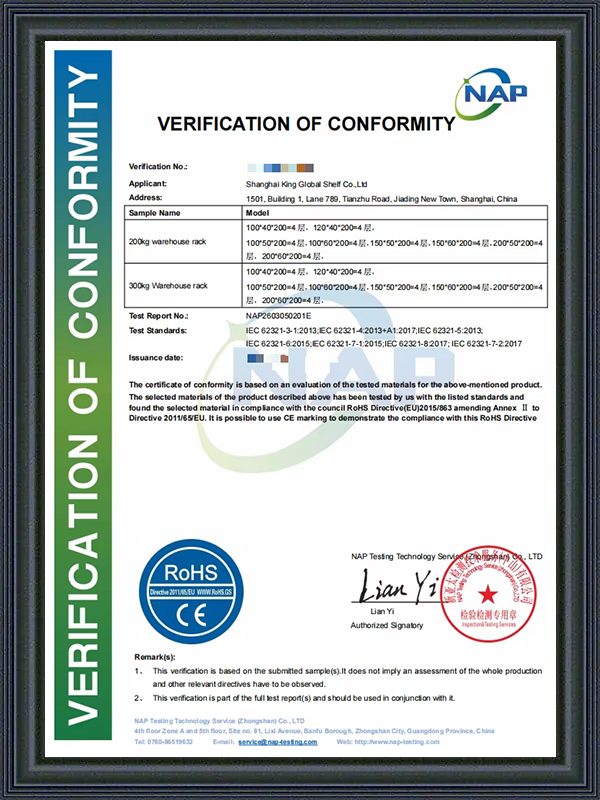
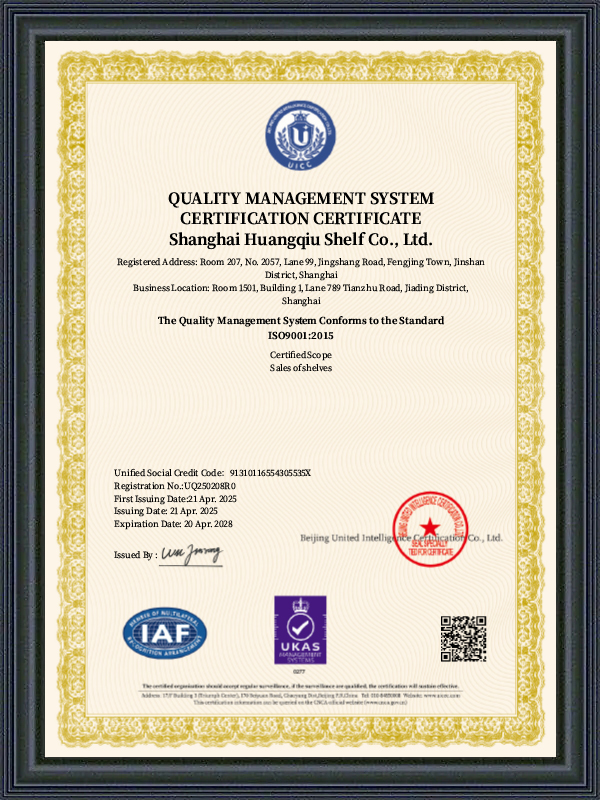
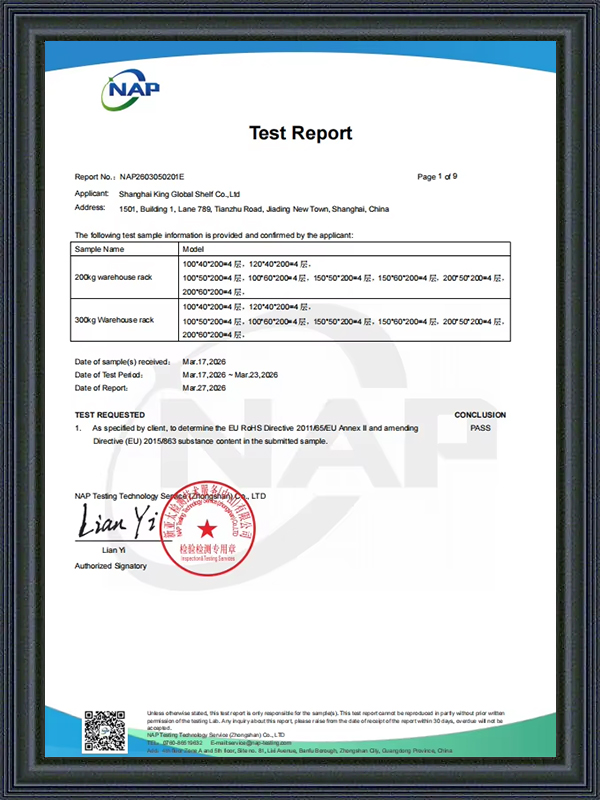
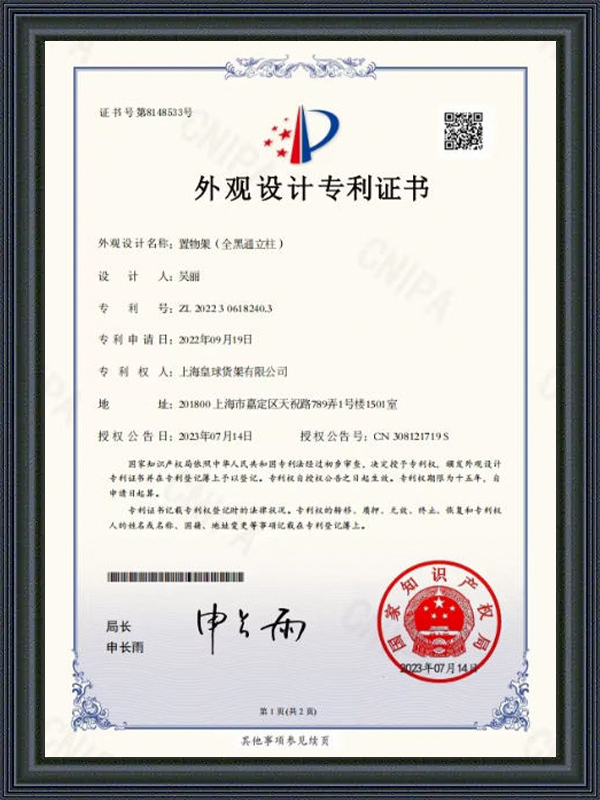
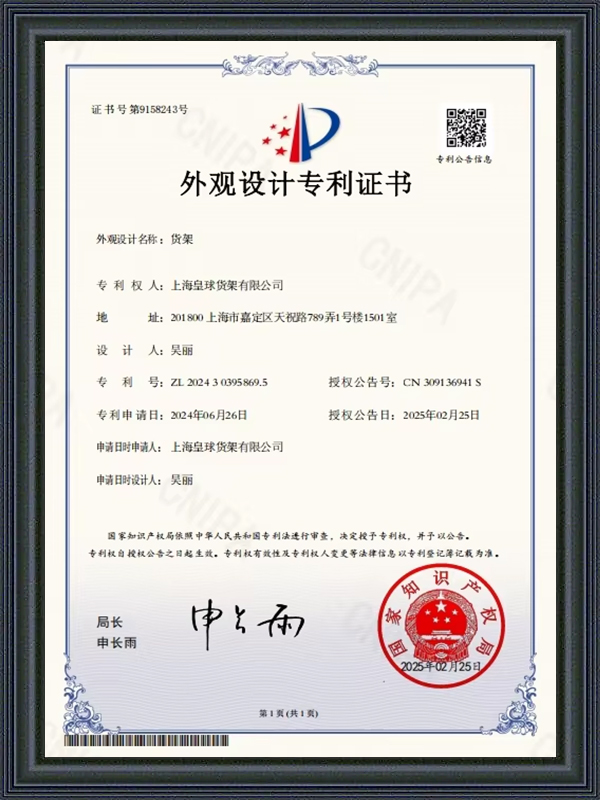
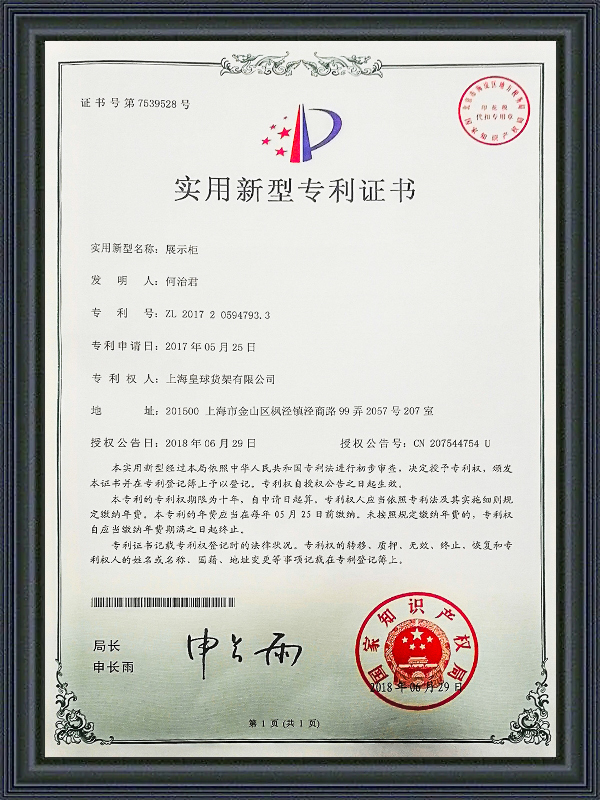
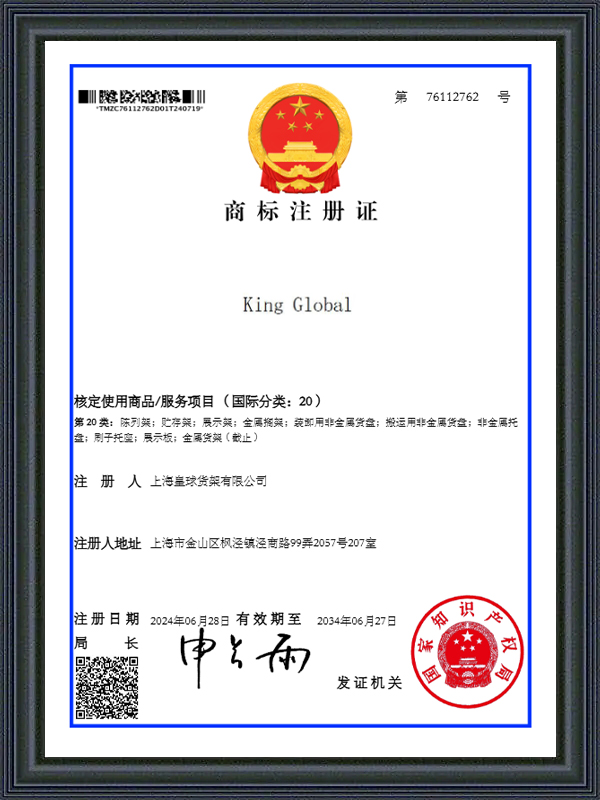
Honor
Certificate Of Honor
-

 2026-06-11
 Company News
-
2026-06-11
Company News
-
2026-06-11
Company News
Feedback
Message Feedback
Knowledge
File cabinets Industry knowledge
A کمد پرونده یک تکه مبلمان ذخیره سازی است که در اطراف یک قاب از کشوها، قفسه ها یا محفظه های قابل قفل ساخته شده است که برای نگهداری اسناد کاغذی، پوشه ها و لوازم اداری کوچک در یک آرایش سازمان یافته و ایمن استفاده می شود. برای دفاتر، محیطهای کاری و دفاتر خانگی که سوابق محرمانه، قراردادها یا کارهای اداری روزمره را مدیریت میکنند، یک کابینت فایل فلزی قابل قفل با محفظههای جلوی شیشهای و کشوهای محصور راهی عملی برای در دسترس نگهداشتن اسناد و مدارک فراهم میکند. این مقاله به انواع اصلی کابینت فایل، نحوه پشتیبانی ساختار آنها از نیازهای مختلف ذخیره سازی، معیارهای مورد استفاده برای انتخاب کابینت برای یک محیط معین، و مراحل تعمیر و نگهداری که یک کابینت فایل فلزی را در طول سال ها استفاده روزانه عملکردی نگه می دارد، می پردازد.
یک کابینت فایل فلزی قابل قفل شدن، ترکیبی از کشوهای محصور، محفظه جلویی شیشه ای و مکانیزم قفل مرکزی است تا اسناد را مرتب و امن نگه می دارد.
کابینت فایل فلزی قابل قفل چیست؟
محفظه فایل فلزی قابل قفل شدن یک واحد ذخیره سازی است که از صفحات فلزی یا روکش شده ساخته شده است و یک یا چند عنصر زیر را ترکیب می کند: کشوهای بیرون کش برای پوشه های آویزان، یک محفظه جلویی شیشه ای برای ذخیره سازی قابل مشاهده کلاسورها یا مواد مرجع، و بخش های کاملاً محصور با مکانیزم قفل. قاب فلزی ساختار سفت و سختی به کابینت میدهد که در برابر تاب خوردن زیر وزن فایلهای کاغذی مقاومت میکند، در حالی که کشو و لولای کشو امکان باز و بسته شدن مکرر روزانه را بدون شل شدن میدهد.
یک سیلندر قفل تکی، که معمولاً روی یک کشو یا روی قاب کابینت قرار می گیرد، اغلب از طریق مکانیزم میله ای متصل می شود که چندین کشو یا محفظه را به طور همزمان محکم می کند. قفسههای داخلی قابل تنظیم در قسمت جلوی شیشهای به کاربران امکان میدهد چیدمان ذخیرهسازی را برای کلاسورها، جعبهها یا کاغذهای انباشته پیکربندی کنند، و قاب پایه کابینت را کمی از کف بالا میبرد تا تماس رطوبت را کاهش دهد و تمیز کردن زیر آن را آسان کند. این ترکیبی از ذخیره سازی در کشو، فضای ذخیره سازی قابل مشاهده و سیستم قفل مرکزی چیزی است که یک کابینت فایل را از قفسه های باز یا یک قفسه ذخیره سازی معمولی متمایز می کند.
یک سیلندر قفل تک متصل به مکانیزم میله ای می تواند چندین کشو یا محفظه را در یک حرکت محکم کند.
انواع رایج کابینت فایل و ویژگی های آنها
کابینت های فایل به طور کلی بر اساس جهت کشو، تحرک، و سبک محفظه گروه بندی می شوند و هر نوع برای ترکیب متفاوتی از حجم سند و چیدمان اداری مناسب است.
کابینت فایل عمودی
کشوها از جلو به عقب با ردپایی باریک، برای دفاتر با فضای کف محدود مناسب هستند. کابینت فایل جانبی
کشوهای پهنتر و کنار هم پوشههای آویزان را به موازات جلو نگه میدارند که برای حجم بالاتر سند مناسب است. کابینت های متحرک یا رولینگ
واحدهای نصب شده روی کاستور که می توانند بین میزها تغییر مکان دهند، معمولاً با ظرفیت کمتر. کابینت های چند محفظه قفل شونده
کشوها را با بخش جلویی شیشه ای ترکیب کنید و فایل های محرمانه را از مواد مرتباً بررسی شده جدا کنید. کابینت های نگهداری تخصصی
واحدهای فولادی ضد زنگ برای مناطق تمیز یا مرطوب و واحدهای مقاوم در برابر سرما برای ذخیره سازی در دمای پایین.
انتخاب از بین این انواع معمولاً بستگی به تعداد دفعات بازیابی فایلها، تعداد افرادی که دسترسی به کابینت را دارند و اینکه آیا مکان ذخیرهسازی در طول زمان تغییر میکند بستگی دارد.
انتخاب کابینت در درجه اول به فرکانس بازیابی، دسترسی مشترک و تغییر مکان ذخیره سازی در طول زمان بستگی دارد.
طراحی سازه و اجزای اصلی
نمودار زیر اجزای ساختاری اصلی یک کابینت فایل قفل شونده چند محفظه را نشان میدهد و نشان میدهد که چگونه محفظه جلوی شیشهای، بخش کشو، سیلندر قفل و قاب پایه در یک واحد قرار گرفتهاند.
بخش بالایی کابینت معمولاً برای محفظه جلوی شیشه ای در نظر گرفته شده است، زیرا این قسمت برای مواردی استفاده می شود که اغلب به آنها اشاره می شود و بدون باز کردن کشو قابل مشاهده هستند. در زیر محفظه، بخش کشو به دو تا چهار کشو جداگانه تقسیم شده است که هر کشو بر روی اسلایدهای فلزی اجرا می شود که وزن را به طور مساوی در امتداد پانل های جانبی توزیع می کند.
سیلندر قفل معمولاً روی بالاترین کشو یا روی یک میله قفل عمودی نصب می شود که در کنار قاب قرار دارد و به قلاب ها یا چفت های هر کشو متصل می شود. هنگامی که سیلندر چرخانده می شود، میله قفل به صورت عمودی جابجا می شود و همه کشوهای متصل را به طور همزمان درگیر می کند، به همین دلیل است که یک قفل می تواند کل کابینت چند کشو را ایمن کند نه نیاز به قفل های جداگانه در هر کشو. قفسههای قابل تنظیم در داخل محفظه جلوی شیشهای توسط گیرهها یا براکتهایی پشتیبانی میشوند که میتوانند در ارتفاعهای مختلف تغییر مکان دهند، و این امکان را میدهد که چیدمان داخلی با تغییر نیازهای ذخیرهسازی تنظیم شود. قاب پایه زیر پایین ترین کشو قرار می گیرد و برای تحمل وزن ترکیبی بدنه کابینت و محتویات آن تقویت می شود و در عین حال شکاف کوچکی بین مکانیزم کشو و سطح کف ایجاد می کند.
یک سیلندر قفل منفرد متصل به یک میله قفل عمودی می تواند هر کشو در یک کابینت چند محفظه را به یکباره درگیر کند.
مقایسه ظرفیت باربری در انواع کابینت
انواع مختلف کابینت فایل با ضخامتهای قاب، مکانیسمهای اسلاید کشو و الگوهای تقویتی متفاوت ساخته میشوند که مستقیماً بر وزنی که هر کشو میتواند به طور قابل اعتماد تحمل کند، تأثیر میگذارد. کابینتهای عمودی سبک معمولاً برای حجم کاغذ کمتر و مکانیسمهای اسلاید سادهتر ساخته میشوند، در حالی که پیکربندیهای سنگینتر از پانلهای فولادی ضخیمتر و ریلهای کشو تقویتشده استفاده میکنند. کابینتهای جانبی و متحرک بین این دو حد قرار میگیرند و ظرفیت اضافه را در برابر محدودیتهای عملی طرحهای کشوهای روی چرخ یا کشوهای پهنتر متعادل میکنند. نمودار زیر مقایسه نسبی ظرفیت باربری معمولی را در چهار دسته کابینت معمولی نشان می دهد که به عنوان یک شاخص کلی به جای مشخصات وزن دقیق بیان می شود. این مقایسه بهجای جایگزینی برای رتبهبندی بار ارائهشده با یک مدل کابینت خاص، تصمیمگیری در سطح دسته را راهنمایی میکند.
نمودار یک الگوی رو به بالا واضح را نشان می دهد زیرا کابینت ها از طرح های عمودی سبک به سمت پیکربندی های چند کشو تقویت شده حرکت می کنند. کابینت های عمودی سبک در انتهای پایین ترازوی قرار دارند و منعکس کننده عرض کشو باریک تر و گیج فولادی نازک تر آنها هستند که مناسب دفاتر کوچکتر با بارهای کاغذ سبک تر است. کابینت های جانبی استاندارد موقعیت میانی را اشغال می کنند، زیرا کشوهای پهن تر آنها به تقویت اضافی در امتداد پایه و ریل های جانبی نیاز دارند تا از افتادگی در زیر بار کامل پوشه های آویزان جلوگیری شود. کابینتهای سیار سنگین علیرغم ردپای کوچکترشان در این شاخص رتبهبندی بالاتری دارند، عمدتاً به این دلیل که مونتاژ کاستور و مهاربندی قاب مورد نیاز برای پایدار نگه داشتن یک واحد متحرک نیز استحکام ساختاری را به سیستم کشو اضافه میکند. کابینتهای چند کشو تقویتشده بالاترین ظرفیت نسبی را در این مقایسه نشان میدهند که نشاندهنده گیجهای پانل ضخیمتر، مهاربندی متقاطع اضافی و مکانیسمهای لغزشی است که برای استفاده زیاد مکرر در تنظیمات توزیع یا آرشیو رتبهبندی شدهاند. این الگو به طور کلی در میان مبلمان انبار گرا نیز وجود دارد، جایی که تقویت و ظرفیت به جای اینکه به عنوان انتخاب های طراحی جداگانه در نظر گرفته شوند، تمایل دارند با هم حرکت کنند. برای خریداران، نکته عملی این است که وزن سند و فرکانس بازیابی باید قبل از انتخاب دسته کابینت تخمین زده شود، زیرا دست کم گرفتن بار کشو در طول زمان میتواند سایش را در اسلایدها و لولاها تسریع کند. کابینتهایی که برای ذخیرهسازی بایگانی یا سوابق انبوه استفاده میشوند معمولاً از سطح بالاتری از این محدوده بهره میبرند، در حالی که کابینتهایی که عمدتاً برای کارهای کاغذی فعال روزانه استفاده میشوند اغلب میتوانند در دستههای سبکتر به خوبی عمل کنند. شایان ذکر است که این مقادیر نشاندهنده موقعیت نسبی کلی در طرحهای کابینت معمولی است نه ارقام دقیق برای هر خط محصول، زیرا ظرفیت واقعی به مدل، مواد و تحملهای ساخت خاص بستگی دارد. مدیران تسهیلات که چندین بخش را ارزیابی می کنند، اغلب از این نوع مقایسه در سطح دسته به عنوان نقطه شروع قبل از درخواست مشخصات دقیق برای مدل های مورد بررسی استفاده می کنند.
کابینت های چند کشو تقویت شده به طور مداوم بالاترین ظرفیت بار نسبی را نشان می دهند، در حالی که کابینت های عمودی سبک در انتهای پایین ترازوی قرار دارند.
سناریوهای کاربردی و معیارهای انتخاب
انتخاب نوع کابینت فایل کمتر مربوط به یک مشخصات واحد است و بیشتر به ایجاد تعادل در چندین معیار در برابر نحوه استفاده روزانه از یک فضا میپردازد. امنیت در تنظیماتی که قراردادها، سوابق پرسنل یا اسناد مالی را ذخیره میکنند، بیشترین اهمیت را دارد، در حالی که تراکم ذخیرهسازی در اتاقهای بایگانی یا بخشهایی با فضای محدود طبقه اولویت است. جابجایی در جایی که کابینت ها نیاز به جابجایی بین میزها یا جابجایی مجدد در طول پیکربندی مجدد دفتر دارند، مرتبط است، و کارایی ردپا بر میزان مساحت کف قابل استفاده کابینت نسبت به حجم ذخیره سازی آن تأثیر می گذارد. دوام نشان دهنده میزان مقاومت کابینت در استفاده مکرر از کشو، قرار گرفتن در معرض رطوبت، یا فرسودگی کلی یک فضای کاری مشترک است. نمودار رادار زیر سه دسته ذخیره سازی، کابینت فایل های فلزی قابل قفل، واحدهای قفسه بندی باز و کابینت های پایه متحرک را در این پنج معیار در مقیاس نسبی مقایسه می کند.
نمودار رادار نشان میدهد که کابینتهای فلزی قفلشونده بالاترین امتیاز را در امنیت و دوام دارند، که نشاندهنده طراحی کشوی محصور و ساختار قاب تقویتشده آنها است. واحدهای قفسه باز از نظر امنیت کمترین امتیاز را دارند، زیرا قفسه باز معمولاً مکانیسم قفلی ندارد و اقلام را بدون هیچ محفظه ای ذخیره می کند، اما همین ویژگی به قفسه بندی در کارایی ردپایی مزیت می دهد، جایی که به بالاترین نقطه در نمودار می رسد. کابینتهای پایه متحرک در محور تحرک برجسته هستند و در امتداد آن خط کشیده میشوند زیرا چرخهای چرخدار به آنها اجازه میدهند بدون جداسازی مکانشان جابهجا شوند، اگرچه این امر با کاهش تراکم ذخیرهسازی در مقایسه با واحدهای جانبی یا عمودی ثابت همراه است. تراکم ذخیرهسازی برای کابینتهای فایل قفلشونده در بین سه دسته قویتر است، زیرا طرح کشو و محفظه آنها بهطور خاص برای نگهداری حجم بالاتری از فایلهای کاغذی در یک قاب فشرده طراحی شده است. کارایی ردپایی به نفع قفسه بندی باز است زیرا می توان از فضای قفسه عمودی بدون عمق مورد نیاز برای اسلایدهای کشو استفاده کرد، اگرچه این به قیمت کاهش امنیت و محافظت کمتر در برابر گرد و غبار است. شکل همپوشانی ایجاد شده توسط سه چند ضلعی نشان می دهد که هیچ دسته ذخیره سازی واحدی در هر معیار بهترین عملکرد را ندارد، به همین دلیل است که بسیاری از دفاتر به جای تکیه بر یک قالب برای همه نیازهای ذخیره سازی، از ترکیبی از انواع کابینت استفاده می کنند. دفاتری که فایلهای محرمانه را مدیریت میکنند، معمولاً امنیت و دوام بیشتری را افزایش میدهند، و کابینتهای فلزی قابل قفل را برای اتاقهای ثبت، بخشهای منابع انسانی و دفاتر مالی مناسبتر میسازند. فضاهای کاری که عمدتاً مواد مرجع پرکاربرد را ذخیره میکنند، مانند کاتالوگها یا فایلهای پروژه باز، ممکن است به سمت قفسههای باز یا ترکیبی از فضای ذخیرهسازی باز و بسته متمایل شوند. دفاتر خانگی معمولاً از یک کابینت جمع و جور با قابلیت قفل شدن استفاده می کنند که امنیت اسناد شخصی را با ردپای کوچکتر مناسب برای فضای مسکونی متعادل می کند. جدول زیر به طور خلاصه نشان می دهد که چگونه این سه تنظیمات برنامه، دفاتر، فضاهای کاری و دفاتر خانگی، معمولاً با معیارهای انتخاب کابینه در عمل همسو هستند.
| تنظیمات برنامه | معیارهای انتخاب اولیه | نوع کابینت معمولی |
|---|---|---|
| دفاتر | امنیت, durability | کابینت فایل فلزی قابل قفل با کشوهای بسته |
| فضاهای کاری | کارایی ردپای، دسترسی | قفسه باز یا واحدهای مخلوط باز و بسته |
| دفاتر خانه | امنیت, compact footprint | کابینت فایل تک واحدی با قابلیت قفل |
هیچ فرمت ذخیرهسازی واحدی در هر معیاری بالاترین امتیاز را کسب نمیکند، به همین دلیل است که کابینتهای متمرکز بر امنیت، متمرکز بر تراکم و تمرکز بر تحرک هر کدام با تنظیمات متفاوتی مطابقت دارند.
Typical Internal Storage Configuration
Beyond choosing a cabinet type, the internal layout of a multi-compartment unit affects how efficiently the available space is used for different kinds of documents. A typical lockable file cabinet divides its interior among drawer storage for hanging folders, a glass-front compartment for reference material, adjustable shelf space, and the structural area taken up by the locking mechanism and frame. Drawer storage generally occupies the largest share of interior volume, since hanging folder systems are designed to maximize the number of files per drawer. The glass-front compartment and shelf area take up a smaller but still meaningful portion of the cabinet, reserved for items that benefit from visibility rather than concealment. The chart below illustrates a common proportional breakdown of interior space within a multi-compartment lockable file cabinet.
The donut chart shows drawer storage accounting for the largest segment of interior space, consistent with the role hanging folder drawers play as the primary storage method in most file cabinets. The glass-front compartment makes up a smaller but distinct segment, reflecting its function as a display and quick-access area rather than a high-volume storage zone. Shelf storage within the compartment adds a further segment, giving users flexibility to store binders, boxes, or stacked documents that would not fit efficiently into a hanging folder drawer. The remaining segment, allocated to the locking mechanism and structural frame, is the smallest of the four but plays a role disproportionate to its size, since it determines how securely the entire unit can be locked. This proportional pattern tends to hold across most multi-compartment cabinets marketed for office or archive use, though the exact split can shift depending on whether a model emphasizes drawer capacity or display storage. Cabinets designed primarily for confidential records often increase the drawer storage segment at the expense of the glass-front compartment, since drawers offer full concealment while a glass front does not. Conversely, units intended for reference libraries or catalog storage may enlarge the shelf and compartment segments to accommodate bound materials that do not fit standard hanging folders. Understanding this internal breakdown helps buyers match a cabinet's configuration to the mix of confidential and reference materials they need to store. A department that handles mostly hanging folder files, for example, benefits more from a drawer-heavy configuration, while a department that stores manuals, binders, or supply catalogs may prioritize compartment and shelf space instead. This kind of proportional thinking is a useful starting point when comparing cabinet models that list drawer count, compartment size, and shelf configuration as separate specifications.
Drawer storage typically makes up the largest share of interior space in a multi-compartment file cabinet, followed by shelf storage, the glass-front compartment, and the locking frame.
Detailed Comparison: File Cabinets vs Open Shelving vs Mobile Pedestal Storage
The table below sets out a direct comparison among three common storage formats used in offices and workspaces: lockable metal file cabinets, open shelving units, and mobile pedestal cabinets. Each format is evaluated across the criteria most relevant to day-to-day storage decisions, including security, capacity, mobility, and typical maintenance needs.
| Feature | Lockable Metal File Cabinet | Open Shelving Unit | Mobile Pedestal Cabinet |
|---|---|---|---|
| امنیت | Enclosed drawers with central lock | No enclosure or lock | Enclosed drawers, often with lock |
| Typical Capacity | Medium to high, hanging folder format | High, open bins or boxes | Low to medium, compact drawers |
| تحرک | Fixed, floor-standing | Fixed, floor-standing | Mobile, caster-mounted |
| Footprint | Moderate, drawer depth required | Efficient, shelf-only depth | Compact, fits under desks |
| Maintenance | Slide lubrication, lock servicing | Dusting, load redistribution | Wheel and slide maintenance |
Lockable metal file cabinets generally provide the strongest combination of security and organized capacity among the three formats, making them a common choice for departments that store contracts, personnel files, or financial records. Open shelving units trade security for footprint efficiency and easier visual scanning of stored items, which suits reference material, catalogs, or supplies that do not require restricted access. Mobile pedestal cabinets prioritize flexibility, allowing storage to move with a workstation or be repositioned during office layout changes, though their smaller drawer size limits how much they can hold compared to fixed lateral or vertical cabinets. In practice, many offices combine these formats rather than standardizing on one, using lockable cabinets for sensitive records, open shelving for shared reference material, and mobile units for personal desk-level storage.
Many offices combine lockable cabinets, open shelving, and mobile units rather than relying on a single storage format for every document type.
Maintenance and Care Guidelines
Routine maintenance keeps a metal file cabinet operating smoothly and extends the working life of its drawer slides, lock mechanism, and surface finish.
- Lubricate drawer slides periodically with a light, non-oily lubricant to prevent sticking, especially in cabinets used multiple times per day.
- Keep the lock cylinder clear of dust with a dry cloth or a small amount of graphite-based lubricant rather than oil-based products, which can attract dust and cause the mechanism to stick over time.
- Wipe metal surfaces with a mild, non-abrasive cleaner to reduce buildup that can lead to surface corrosion, particularly in humid environments.
- Check drawer alignment periodically, since uneven loading of hanging folders can cause a drawer to sit slightly off track, increasing wear on the slide mechanism.
- Avoid overloading a single drawer beyond its designed capacity, as excess weight concentrated in one section can strain the frame and affect how evenly the cabinet sits on the floor.
- Inspect the glass panel and its retaining frame occasionally to confirm it remains secure, since loose glazing can shift during repeated cabinet movement.
Following a regular maintenance routine reduces the likelihood of drawer jamming or lock failure, both of which are among the most common issues reported with heavily used file cabinets.
Regular slide lubrication and drawer alignment checks are the two maintenance steps most likely to prevent jamming over a cabinet's working life.
Manufacturing Standards and Supply Capability
Consistent performance across a batch of file cabinets depends heavily on manufacturing controls applied during production, including material selection, welding quality, and finish coating. Shanghai King Global Shelf Co., Ltd. manufactures shelving and storage solutions for logistics, warehousing, and office environments, with production covering home racks, industrial heavy-duty shelving, warehouse optimization systems, and related storage furniture including file cabinets. Founded in 2010, the company operates a production facility supported by quality control procedures applied across its metal shelving and racking product lines, and supplies both domestic and overseas markets.
Within its storage rack range, the company produces light-duty, medium-duty, and heavy-duty pallet racking, along with custom configurations such as hang clothes racks, tire racks, stainless steel racks for clean environments, and cold-resistant racks for low-temperature storage. This manufacturing background informs the structural design principles described earlier in this article, including reinforced drawer slides, corrosion-resistant finishes, and frame bracing appropriate to the load a given storage unit is expected to carry. Manufacturers working across both office file cabinets and industrial racking generally apply similar engineering considerations, since load distribution, material gauge, and finish durability affect performance in both applications.
Consistent drawer performance and corrosion resistance depend on the same production controls, material selection, and finish coating applied across a manufacturer's shelving and racking lines.
Frequently Asked Questions About File Cabinets
What is the difference between a vertical and a lateral file cabinet?Vertical file cabinets stack drawers front to back and are narrower, which suits offices with limited floor space, while lateral file cabinets have wider drawers that run side to side and typically hold more files per drawer. The choice between the two generally comes down to available floor space and how many hanging folders a department needs to store in a single unit. |
How much weight can a metal file cabinet drawer typically hold?Load capacity varies by cabinet type and construction, with light-duty vertical cabinets generally supporting less weight per drawer than reinforced multi-drawer or heavy-duty configurations. Checking the specific load rating listed for a given model is recommended before loading a drawer with dense materials such as bound records or archive boxes. |
Is a lockable file cabinet suitable for a home office?A compact lockable file cabinet is commonly used in home offices to store personal documents, contracts, and paperwork that should not be freely accessible. Its enclosed drawers and central lock provide a level of security similar to office use, while the smaller footprint fits more easily into residential spaces than larger lateral units. |
How can I prevent a metal file cabinet from sticking or developing surface corrosion?Regular lubrication of drawer slides, periodic cleaning with a non-abrasive cleaner, and avoiding prolonged exposure to high humidity all help reduce sticking and surface corrosion over time. Keeping drawer loads balanced and within the designed capacity also reduces strain on the slide mechanism, which lowers the chance of misalignment. |
What is the main difference between open shelving and enclosed file cabinets for document storage?Open shelving stores items without any enclosure or lock, which makes it efficient for frequently accessed reference material but unsuitable for confidential documents. Enclosed file cabinets add drawers or compartments with a locking mechanism, providing a level of security that open shelving does not offer, at the cost of a somewhat larger footprint for the same visible storage width. |
Get exclusive deals and early access to new products.
Experienced staff and experts are always available to provide you with professional guidance and solutions to technical problems.
Mobile
-
Quick Links
Home Products Cooperation Cases Company Service News Contact Us -
Product
Warehouse Rack Pallet Racking Mezzanine Racking Cantilever Racks Supermarket Shelf Office & Home Shelves -
Contact Us

E-mail: liwu78465@gmail.com

WhatsApp: 8613761540945

China Tel: +86-13761540945
Thailand Tel: +66 99 109 1956 (Line Same)
Thailand Tel: +66 92 242 5845 (Line Same)

China Address:Room 1501, Building 1, Lane 789, Tianzhu Road, Jiading District, Shanghai, China.
USA Address: 23787 Eichler St, Unit G, Hayward, CA 94545.
Malaysia Address: METROHUB 2 Warehouse 4, Lot 109363, Persiaran Bukit Rajakayangan/KU5,Bandar Bukit Raja, 41050 Klang, Selangor Darul EhsanReturn to Gate 81, Malaysia.
Thailand Address:จังหวัดสมุทรปราการ อำเภอบางเสาธง ตำบลบางเสาธง 32/7 หมู่7 ถนนบางพลี-ตำหรุ บางพลีใหญ่ Bang Phli District, Samut Prakan 10540,(TH)
حق چاپ ©
Shanghai King Global Shelf Co.,Ltd.
تمامی حقوق محفوظ است.
File cabinets Supplier
Wholesale File cabinets Factory
