


China Tel: +86-13761540945
Thailand Tel: +66 99 109 1956
Thailand Tel: +66 92 242 5845
liwu78465@gmail.com



Supermarket Shelves Supplier
-
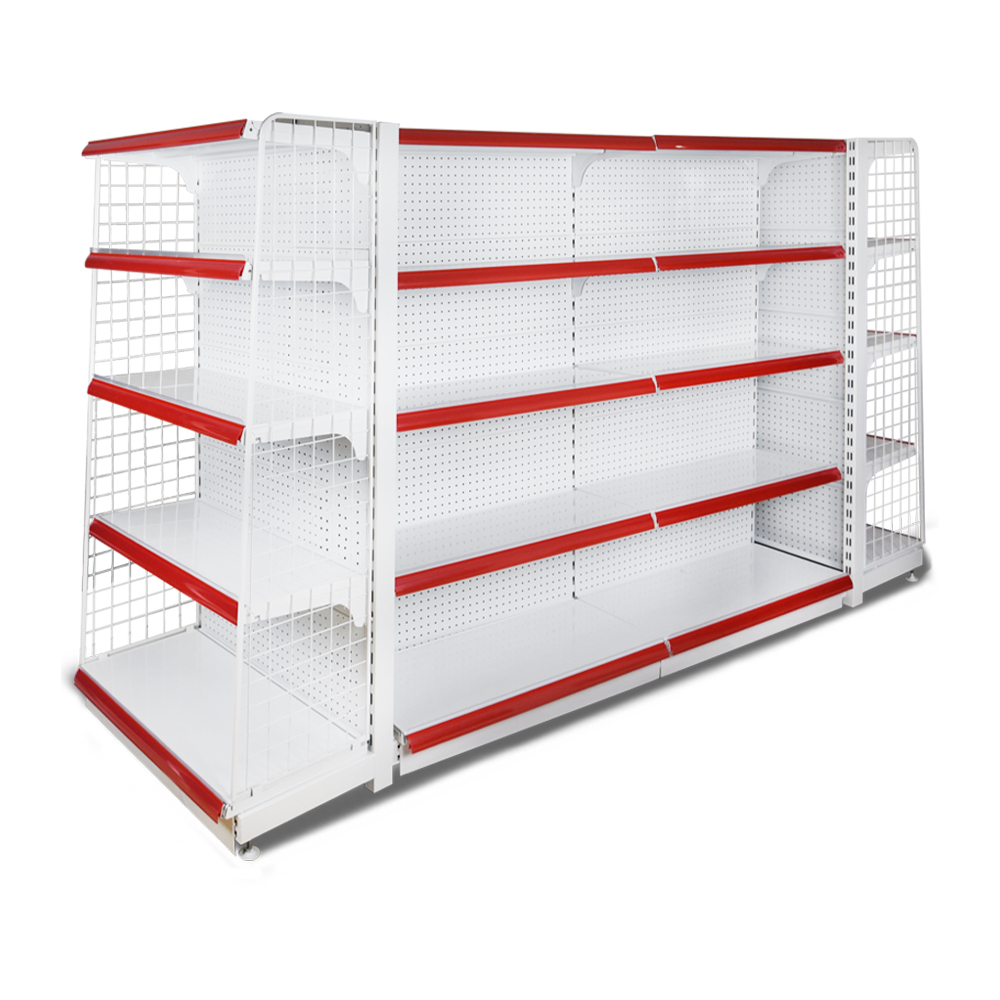 Adjustable Store Rack System for Retail Shop Convenience Store Shelving
【Double-Sided Retail Display Storage Rack】 This innovative retail display rack features a double-side...
-
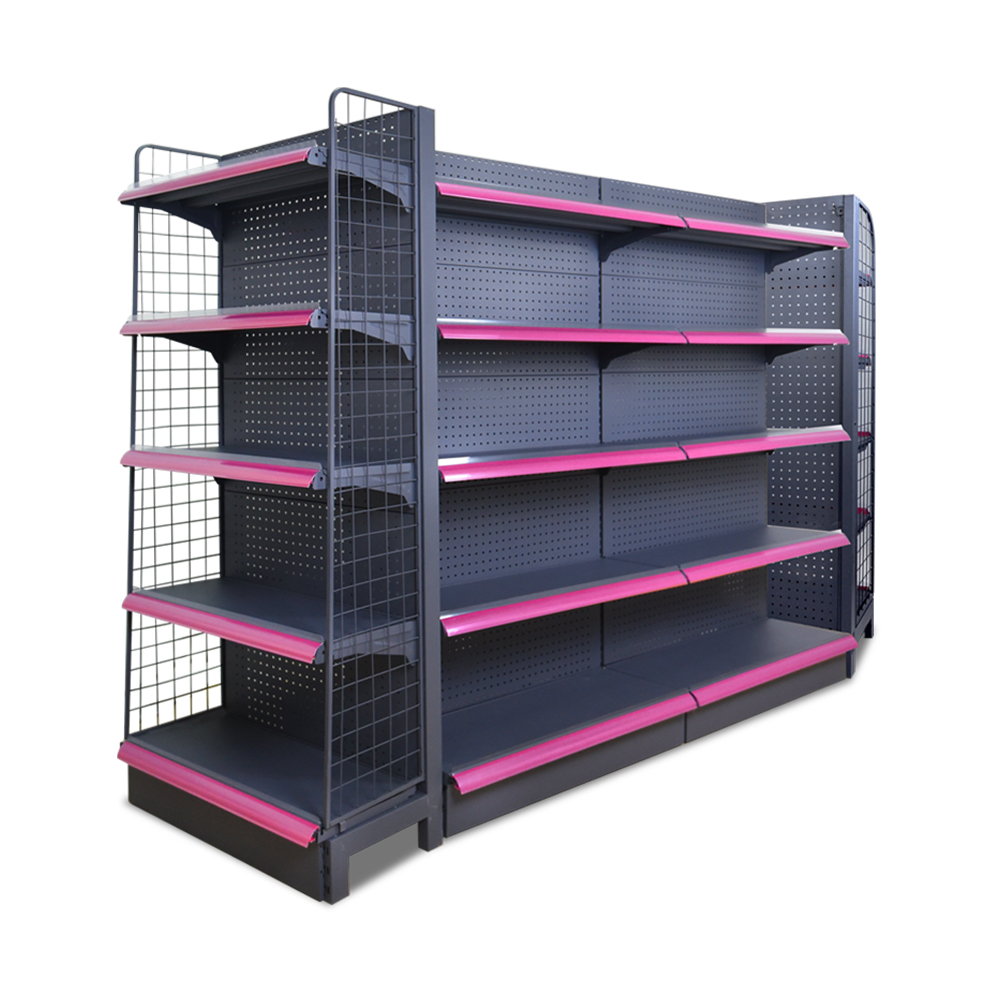 Adjustable Modular Shelving for Retail & Convenience Stores
【Maximize Your Retail Store's Sales Potential】 This double-sided display rack allows you to show...
Supermarket shelves are multi-layer, modular storage and display units designed specifically for retail environments, used to organize and showcase a variety of daily necessities, food, and commodities.
Application Scenarios
Supermarkets, convenience stores, grocery stores, and wholesale markets; suitable for displaying snacks, beverages, daily necessities, toiletries, and packaged foods.
What Sets Us Apart
Who We Are
Better Shelving, Better Business
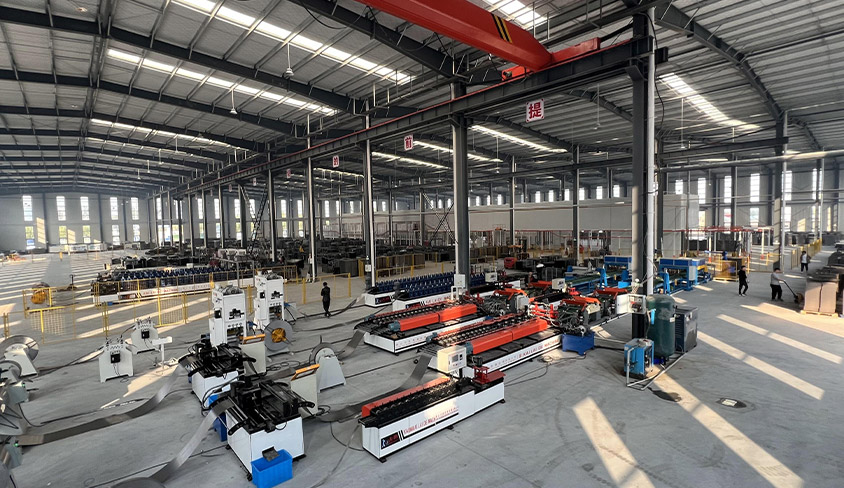
Shanghai King Global Shelf Co.,Ltd. is a leading manufacturer of shelving and storage solutions for
logistics and warehousing. Specializing in home racks, industry heavy-duty shelving, and warehouse
optimization systems. Founded in 2010, we have built strong production capability with a modern facility,
experienced team, and reliable quality control. We are China Supermarket Shelves Supplier and Wholesale Supermarket Shelves Factory, our products are designed to improve display, storage
efficiency, and space utilization for different markets. With stable quality, flexible solutions,
and responsive service, we support customers in both domestic and overseas markets.
About Us


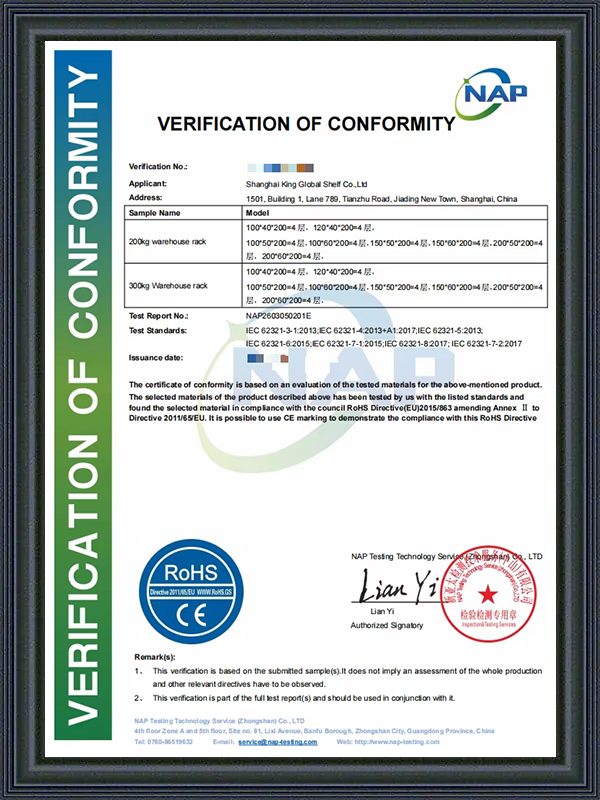
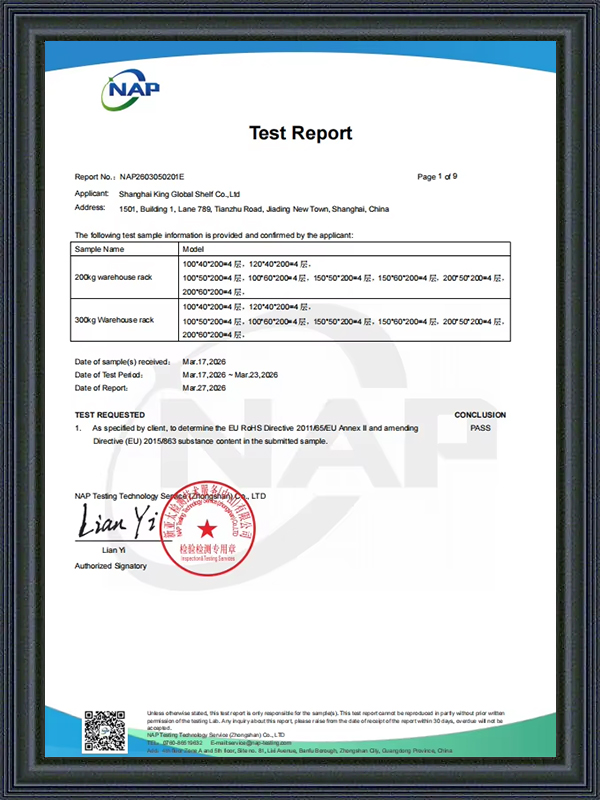
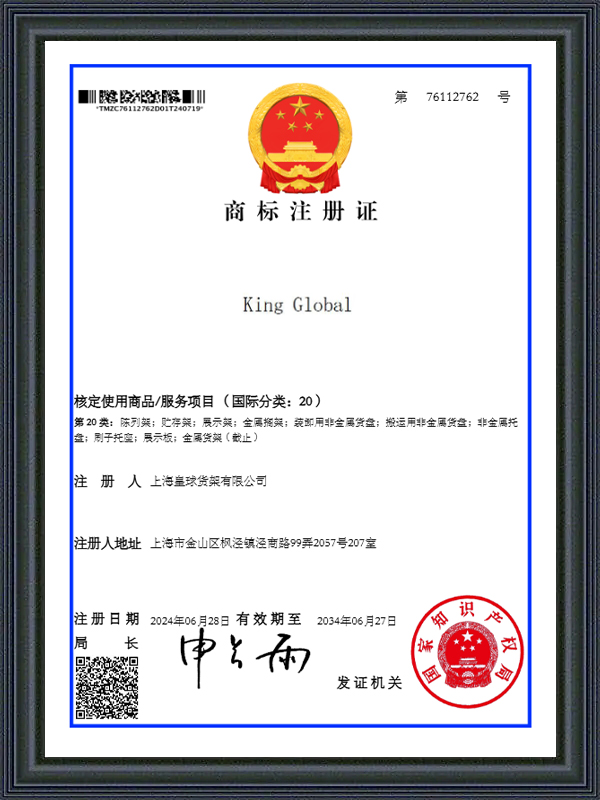
Honor
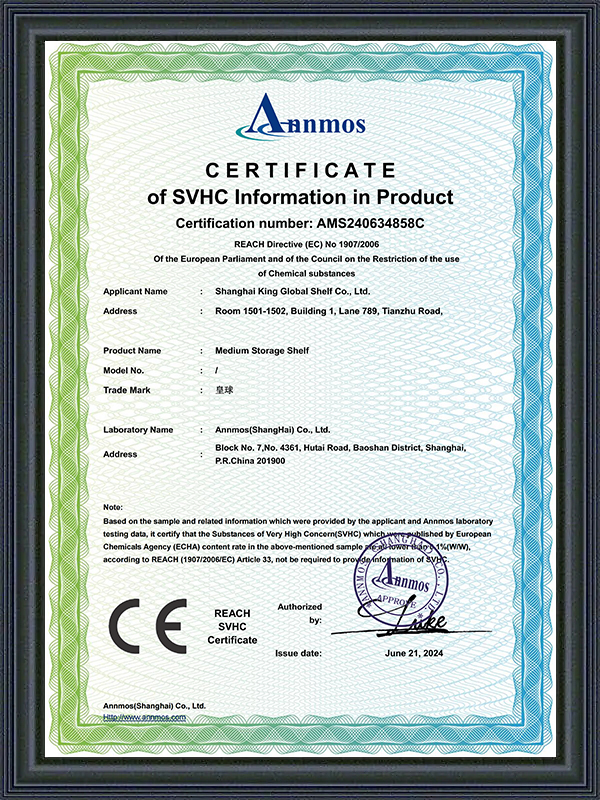
Certificate Of Honor




-

 2026-06-11
 Company News
-
2026-06-11
Company News
-
2026-06-11
Company News
Feedback
Message Feedback
Knowledge
Supermarket Shelves Industry knowledge
1. مروری بر قفسه های سوپرمارکت
قفسه های سوپرمارکت واحدهای ذخیره سازی و نمایشگر چند لایه و مدولار هستند که به طور خاص برای محیط های خرده فروشی طراحی شده اند و برای سازماندهی و ارائه طیف گسترده ای از نیازهای روزانه، مواد غذایی بسته بندی شده و کالاهای عمومی به شیوه ای قابل دسترس و منظم ساخته شده اند. برخلاف قفسههای انبار که عمدتاً برای ذخیرهسازی انبوه طراحی شدهاند، قفسههای سوپرمارکتها ثبات ساختاری را با ویژگیهای نمایشگر مانند قفسههای قابل تنظیم، ریلهای برچسب قیمت و طرحبندیهای جلو باز ترکیب میکنند که به مشتریان اجازه میدهد محصولات را مستقیماً از قفسه مشاهده و انتخاب کنند. قفسه یک قفسه سوپرمارکت معمولی از فولاد نورد سرد ساخته شده است که به شکل ستون های عمودی و قفسه های افقی شکل می گیرد که می توانند برای قرار دادن محصولات با ارتفاع های مختلف تغییر مکان دهند. از آنجایی که محیطهای خردهفروشی هم به نمایش بصری و هم استفاده کارآمد از فضای کف نیاز دارند، قفسههای سوپرمارکت به گونهای طراحی شدهاند که دید محصول را با ردپای نسبتاً فشرده در امتداد راهروها متعادل میکنند. این ترکیبی از عملکرد ساختاری و هدف نمایش چیزی است که قفسههای سوپرمارکت را از سایر دستههای تجهیزات ذخیرهسازی که قبلاً در زنجیره تأمین استفاده میشدند متمایز میکند.
ساختار لایهای قفسههای سوپرمارکت به خردهفروشان اجازه میدهد تا محصولات را بر اساس دستهبندی، اندازه یا نرخ گردش سازماندهی کنند، اقلامی که اغلب خریداری میشوند را در ارتفاعات قابل دسترس قرار دهند و در عین حال سطوح بالایی یا پایینی قفسهها را برای کالاهای بستهبندی شده با حرکت کندتر یا فله رزرو کنند. پانلهای قفسه قابل تنظیم یک ویژگی مشترک در اکثر سیستمهای قفسه سوپرمارکتها هستند، که اجازه میدهند فاصله عمودی بین سطوح با تغییر مجموعه محصولات در طول سال تغییر کند. این سازگاری از خرده فروشان در پیکربندی مجدد طرحبندی راهروها برای تبلیغات فصلی، معرفی محصولات جدید، یا تغییرات در برنامهریزی کلی فروشگاه بدون جایگزینی ساختار قفسه زیرین پشتیبانی میکند.
2. طراحی سازه و اصل کار
(1) اجزای اصلی
اصل کار قفسه های سوپرمارکت بر اساس یک قاب به سبک گوندولا است، جایی که پایه های عمودی قفسه های افقی را از طریق نقاط اتصال شکاف در طول پست پشتیبانی می کنند. یک صفحه پایه در سطح کف، وزن ترکیبی قاب و محصولات ذخیره شده را توزیع می کند، در حالی که یک پانل پشتی اغلب برای ایجاد استحکام ساختاری و در واحدهای تله کابین دو طرفه، برای جدا کردن دو ردیف قفسه که پشت به پشت قرار گرفته اند، گنجانده شده است. پانلهای قفسه معمولاً از ورق فولادی سوراخدار یا مسطح تشکیل میشوند که گاهی اوقات با یک سطح لمینت برای ظاهر خردهفروشی تمیزتر تکمیل میشوند و روی براکتهایی قرار میگیرند که به پایههای شکافدار در ارتفاعهای مختلف قلاب میشوند. درپوشهای انتهایی که در انتهای یک تله کابین قرار میگیرند، اغلب از پیکربندی پانل کمی متفاوت برای پشتیبانی از نمایشگرهای تبلیغاتی یا قرار دادن محصول با دید بالا استفاده میکنند. ریلهای برچسب قیمت یا نگهدارندههای برچسب اغلب در امتداد لبه جلویی هر پانل قفسه یکپارچه میشوند و از عملکرد خردهفروشی برای شناسایی واضح قیمت محصول و اطلاعات برای خریداران پشتیبانی میکنند.
(2) مقایسه ظرفیت بار در انواع قفسه
قبل از مرور نمودار زیر، درک اینکه چگونه ظرفیت بار به طور کلی در پیکربندیهای رایج قفسه سوپرمارکتها متفاوت است مفید است. ظرفیت در این زمینه به وزن تقریبی اشاره دارد که یک سطح قفسه می تواند بدون انحراف قابل توجه تحمل کند، که به مواد پانل، طراحی براکت و ضخامت کلی قاب بستگی دارد. پیکربندی های سبک تر معمولاً برای اقلام فشرده مانند تنقلات یا لوازم آرایش مناسب هستند، در حالی که پیکربندی های سنگین تر برای پشتیبانی از کالاهای بسته بندی حجیم مانند نوشیدنی ها یا محصولات کنسرو ساخته می شوند. درک این رابطه به خرده فروشان کمک می کند تا پیکربندی قفسه را با دسته بندی های خاص محصول برنامه ریزی شده برای یک راهروی معین مطابقت دهند. نمودار زیر یک مقایسه گویا از محدوده بار معمولی در هر قفسه در سه پیکربندی رایج قفسه سوپرمارکت ارائه میکند.
نمودار میلهای بالا یک الگوی کلی را نشان میدهد که در میان پیکربندیهای رایج قفسههای سوپرمارکت یافت میشود، و نشان میدهد که چگونه ظرفیت بار هر قفسه با قویتر شدن قاب و پانل افزایش مییابد. همانطور که نشان داده شده است، قفسه نمایش دیواری انتهای پایینی محدوده را اشغال می کند، معمولاً بین چهل تا هشتاد کیلوگرم در هر سطح را تحمل می کند، که مناسب اقلام سبک وزن مانند تنقلات، لوازم آرایشی کوچک و کالاهای بسته بندی شده است که معمولاً در امتداد دیوارهای محیطی در فروشگاه های رفاه و فرمت های مواد غذایی کوچکتر قرار می گیرند. قفسهبندی گوندولا، پرکاربردترین پیکربندی در سوپرمارکتها، وسط نمودار را اشغال میکند، به طور کلی بین هشتاد تا صد و پنجاه کیلوگرم در هر قفسه را تحمل میکند، و آن را برای ترکیب گستردهای از مواد غذایی بستهبندی شده، نوشیدنیها در قالبهای کوچکتر و اقلام عمومی خانگی که در امتداد راهروهای مرکزی نمایش داده میشوند، مناسب میسازد. قفسههای نمایشگر سنگین که در بالای نمودار نشان داده شده است، معمولاً بیش از صد و پنجاه کیلوگرم در هر سطح را تحمل میکند و برای محصولات حجیمتر یا متراکمتر مانند نوشیدنیهای چند بسته، محصولات کنسرو شده یا اقلام بستهبندی شده که به پانل و سیستم براکت محکمتری نیاز دارند استفاده میشود. این پیشرفت نشاندهنده تفاوتها در ضخامت پانل و عمق درگیری براکت است که در سه پیکربندی استفاده میشود، که در اصل شبیه به مقیاس ظرفیت بار در سایر دستههای قفسهبندی و قفسهبندی است. برای چیدمان راهرو برنامه ریزی بازار خرده فروشی یا عمده فروشی، این مقایسه یک نقطه مرجع مفید در هنگام تخصیص دسته بندی محصولات به انواع قفسه خاص ارائه می دهد. قرار دادن یک خط تولید متراکم و سنگین روی قفسههای دیواری سبک میتواند منجر به انحراف یا بیثباتی پانل در طول زمان شود، در حالی که استفاده از قفسههای نمایشگر سنگین در کل فروشگاه برای اقلام سبک وزن ممکن است به طور غیر ضروری هزینه ساختاری را بدون بهبود عملکرد عملکردی افزایش دهد. بنابراین تطبیق مشخصات وزن محصول با پیکربندی مناسب قفسه سوپرمارکت از قابلیت اطمینان ساختاری و استفاده کارآمد از فضای کف خرده فروشی پشتیبانی می کند. نمودار بالا به عنوان نقطه شروعی برای این نوع تمرین تطبیق دسته به قفسه در طول برنامه ریزی چیدمان فروشگاه عمل می کند.
3. انواع و ویژگی های رایج قفسه های سوپرمارکت
قفسه های سوپرمارکت در چندین قالب مجزا در دسترس هستند که هر کدام برای موقعیت راهرو، نوع محصول یا هدف نمایشی خاص مناسب است.
- قفسه دیواری یک طرفه: نصب شده یا در امتداد دیوارهای محیطی فروشگاه نصب می شود که معمولاً برای اقلام کوچکتر و چیدمان های با فضای محدود استفاده می شود.
- قفسه تله کابین دو طرفه: واحدهای مستقلی که در امتداد راهروهای مرکزی قرار گرفته اند و دسترسی به قفسه را از دو طرف برای استفاده کارآمد از فضای کف ارائه می دهند.
- قفسه نمایش کلاهک انتهایی: در انتهای یک گوندولا قرار دارد که به دلیل دید زیاد خریداران، اغلب برای قرار دادن محصولات تبلیغاتی یا فصلی استفاده می شود.
- قفسه نمایش سیم یا سبد: شامل بخش های مش یا سبد است که معمولاً برای تنقلات بسته بندی شده، نان یا اقلام تولیدی استفاده می شود.
- قفسه نمایشگر سنگین: طراحی پانل و براکت تقویت شده برای کالاهای بسته بندی حجیم یا متراکم تر.
هر یک از این فرمتها ویژگی مشترک قفسههای سوپرمارکت را دارند: یک قاب مدولار و قابل تنظیم که برای ترکیب پشتیبانی ساختاری با ارائه واضح محصول طراحی شده است، و به خردهفروشان اجازه میدهد پیکربندی را انتخاب کنند که به بهترین وجه با یک راهرو، دستهبندی محصول و چیدمان فروشگاه معین مطابقت دارد.
4. سناریوهای کاربردی و نقاط انتخاب
(1) سناریوهای کاربردی اصلی
قفسههای سوپرمارکت در انواع تنظیمات خردهفروشی و عمدهفروشی اعمال میشوند، جایی که نمایش سازمانیافته محصول برای عملیات روزانه ضروری است.
- سوپرمارکت ها: سازماندهی و نمایش مواد غذایی، نوشیدنی ها و مایحتاج روزانه بسته بندی شده در راهروهای مرکزی و دیوارهای پیرامونی.
- فروشگاههای رفاه: نمایش فشرده تنقلات، نوشیدنیها، و اقلام کوچک خانگی در یک طبقه محدود.
- فروشگاه های مواد غذایی: ارائه ترکیبی از کالاهای بسته بندی شده و شل، که اغلب قفسه های گوندولا را با بخش های سبد یا سیم ترکیب می کنند.
- بازارهای عمده فروشی: نمایش کالاهای بسته بندی فله و لوازم بهداشتی که در آن اغلب ظرفیت بارگیری در هر قفسه بالاتر مورد نیاز است.
(2) بررسی اجمالی معیارهای انتخاب
انتخاب یک پیکربندی مناسب قفسه سوپرمارکت مستلزم سنجیدن چندین عامل خاص خرده فروشی با یکدیگر است. نمودار رادار زیر پنج بعد ارزیابی که معمولاً به آنها ارجاع داده می شود را نشان می دهد که هنگام مقایسه گزینه های قفسه برای نمایش خرده فروشی و ذخیره سازی استفاده می شود. این تصویر بهعنوان یک مرجع آموزشی عمومی بهجای رتبهبندی هر محصول خاص در نظر گرفته شده است و ویژگیهایی را که به طور کلی با دسته قفسه سوپرمارکتها مرتبط است، منعکس میکند. بررسی این ابعاد با هم کمک میکند تا مشخص شود کدام پیکربندی احتمالاً با طرحبندی فروشگاه یا ترکیب محصول خاص مطابقت دارد. این پنج بعد شامل دید نمایشگر، کارایی فضا، ظرفیت بار، دوام و تطبیق پذیری در دسته های مختلف محصول است.
نمودار رادار بالا نشان می دهد که چگونه یک قفسه سوپرمارکت معمولی در پنج بعد ارزیابی که معمولاً به آنها ارجاع داده می شود نسبت به حداکثر برد ممکن در هر محور امتیاز می دهد. همانطور که ناحیه سایهدار نشان میدهد، دید نمایشگر بهعنوان یک ویژگی نسبتاً قوی نشان داده میشود، که نشاندهنده طراحی پنل جلوی باز است که در اکثر پیکربندیهای قفسه سوپرمارکتها رایج است که به محصولات اجازه میدهد به وضوح قابل مشاهده و در دسترس خریداران باقی بمانند. کارایی فضا نیز بهویژه برای قفسهبندیهای گوندولا دو طرفه بهطور برجسته ظاهر میشود، که به دو ردیف نمایش محصول اجازه میدهد تا یک ساختار مستقل را در امتداد راهروی مرکزی به اشتراک بگذارند. تطبیق پذیری در سطح نسبتاً بالایی نشان داده شده است، زیرا پانل های قفسه قابل تنظیم به قاب یکسان اجازه می دهد تا طیف گسترده ای از اندازه های محصول را، از لوازم آرایشی کوچک گرفته تا کالاهای بسته بندی بزرگتر، به سادگی با تغییر موقعیت قفسه ها در خود جای دهد. ظرفیت بار در وسط نمودار قرار دارد و هدف کلی قفسههای سوپرمارکت را منعکس میکند، که ارائه محصول در دسترس را بر بارهای ساختاری بالاتر مرتبط با قفسهبندی انبار عمده اولویت میدهد. دوام در سطح متوسط، مطابق با ساختار فولادی رایج در اکثر قابهای گوندولا، در مقابل طراحی پانل سبکتر مورد استفاده قرار میگیرد تا ساختار کلی را از نظر بصری در دسترس نگه دارد و نه از نظر ظاهری صنعتی. وقتی یک خردهفروش اولویتهای طرحبندی خود را بر روی نموداری مانند این ترسیم میکند، تشخیص اینکه کدام پیکربندی قفسه بهترین راهرو یا دسته محصول را پشتیبانی میکند آسانتر میشود. به عنوان مثال، راهروی اختصاص داده شده به نوشیدنی ها و کالاهای کنسرو شده ممکن است ظرفیت بار را در اولویت قرار دهد و به سمت قفسه نمایشگر سنگین اشاره کند، در حالی که راهروی محیطی برای لوازم بهداشتی ممکن است دید نمایشگر و کارایی فضا را در اولویت قرار دهد و به جای آن به سمت قفسه دیواری یا گوندولا استاندارد اشاره کند. این نوع تجسم مقایسه ای یک ابزار برنامه ریزی کاربردی در طول طراحی چیدمان فروشگاه است که به جلوگیری از عدم تطابق بین پیکربندی قفسه و محصولات در نظر گرفته شده برای یک مکان خاص کمک می کند. همچنین تقویت میکند که قفسههای سوپرمارکتها، مانند سایر دستهبندیهای قفسهبندی، بهتر است از طریق یک دیدگاه ترکیبی از چندین اولویت عملیاتی انتخاب شوند تا اینکه یک عامل به تنهایی انتخاب شوند.
5. مقایسه تنظیمات قفسه سوپرمارکت
جدول زیر تفاوتهای کلی میان پیکربندیهای رایج قفسه سوپرمارکتها را در چندین بعد عملی خلاصه میکند و یک نقطه مرجع برای خردهفروشان در مقایسه گزینههای موجود ارائه میدهد.
| پیکربندی | بار در قفسه | قرارگیری معمولی | محصولات رایج |
|---|---|---|---|
| قفسه نمایش دیواری | 40-80 کیلوگرم | دیوارهای محیطی | تنقلات، لوازم آرایش، کالاهای بسته بندی کوچک |
| قفسه گوندولا | 80-150 کیلوگرم | راهروهای مرکزی | بسته بندی مواد غذایی، نوشیدنی ها، لوازم خانگی |
| قفسه نمایشگر سنگین | 150-250 کیلوگرم | راهروهای کالاهای عمده، بازارهای عمده فروشی | نوشیدنی های چند بسته، کنسرو و کالاهای بسته بندی شده |
همانطور که در جدول نشان داده شده است، پیکربندی هر قفسه سوپرمارکت نشان دهنده تعادل متفاوتی بین ظرفیت بار و عملکرد نمایش است، به همین دلیل است که اکثر فروشگاه ها از ترکیبی از تنظیمات در راهروهای مختلف به جای یک نوع قفسه یکنواخت در کل پلان طبقه استفاده می کنند.
6. Shelf Height Adjustment Principles
Most supermarket shelf systems allow the vertical spacing between shelf panels to be adjusted, accommodating products of different heights within the same gondola frame. Before reviewing the line chart below, it is useful to understand that supermarket shelf uprights typically include a series of slotted connection points spaced along their height, into which shelf brackets are hooked at the desired level. These connection points allow shelf panels to be raised or lowered depending on whether the aisle is displaying shorter items such as canned goods or taller items such as beverage bottles or boxed products. The chart illustrates how the number of available connection points relates to the range of practical shelf height configurations across a typical gondola upright. This adjustability is a defining feature that allows retailers to reconfigure aisles for new product lines without replacing the shelf structure itself.
The line chart above shows a general upward relationship between the number of connection points along a supermarket shelf upright and the number of usable shelf height configurations available to store staff. As the chart demonstrates, an upright with only a small number of connection points restricts shelf spacing to a limited number of fixed positions, which may be adequate for an aisle displaying a single uniform product size but limiting for one carrying a varied assortment. As the number of connection points increases, represented along the horizontal axis, the number of practical shelf configurations rises correspondingly, shown by the upward trend of the line. This relationship is particularly relevant to supermarkets and grocery stores that regularly rotate product assortments in response to seasonal demand or new product introductions, since a finely adjustable shelf allows store staff to reconfigure an aisle quickly rather than requiring new equipment. A convenience store carrying a narrow, consistent product range may not require extensive adjustability, while a larger supermarket managing thousands of distinct SKUs across varying package sizes benefits significantly from shelving offering a wider range of height positions. The chart also shows the trend continuing to rise steadily across the full range presented, suggesting that finer adjustment intervals continue to add practical value rather than reaching an early plateau. In typical installations, connection points on a supermarket shelf upright are spaced at regular intervals, allowing store staff to reposition shelf brackets without specialized tools during routine merchandising updates. This adjustability also supports better use of vertical aisle space, since shorter products can be placed on closely spaced shelves without leaving excess unused clearance above them. From an operational standpoint, faster shelf reconfiguration reduces the labor time associated with seasonal resets or promotional layout changes. Retailers that frequently update product placement based on sales performance or promotional calendars tend to place a higher priority on this type of adjustability when selecting shelf systems. Overall, the chart reinforces why shelf height adjustability is frequently highlighted as a practical advantage of modern supermarket shelf systems.
7. Maintenance Guidance for Supermarket Shelves
Routine maintenance helps preserve both the structural stability and the visual presentation quality of supermarket shelves, which are handled frequently by both staff and shoppers throughout the day. Before reviewing the column chart below, it is worth outlining the general inspection categories commonly scheduled for retail display shelving. These categories range from simple visual and cleanliness checks performed frequently to more detailed structural reviews performed less often. Understanding the relative frequency of each inspection type helps store staff plan a maintenance routine suited to daily foot traffic and restocking activity. The chart below presents a general illustration of how often each inspection category is commonly scheduled within a calendar year.
The column chart above provides a general overview of how frequently different inspection categories are commonly scheduled for supermarket shelves in a typical retail environment. Visual and cleanliness checks appear as the most frequent category, often performed multiple times per week or even daily, since shelf surfaces are in constant contact with restocked merchandise, price labels, and shopper handling, making regular tidying and inspection a routine part of store operations. Bracket checks are shown at a lower frequency, commonly reviewed quarterly, focusing on whether shelf brackets remain securely hooked into the upright slots and whether any panels show signs of shifting or uneven loading. Frame stability checks, which involve a closer look at the overall gondola structure, back panels, and base plate condition, are depicted at an even lower frequency, often reviewed twice a year as part of broader store maintenance planning. Deep inspection, representing the most thorough review of the entire shelving system, including load bearing components and structural joints, is shown at the lowest frequency, typically conducted once annually or after a significant store layout change. This general pattern reflects a common approach to maintaining retail display shelving, where lighter and more frequent checks focused on appearance and restocking are paired with less frequent but more detailed structural reviews. Following a routine along these lines can help identify early signs of wear, such as loose brackets, panel sagging, or surface damage from repeated restocking, before they affect product presentation or shelf stability. Keeping shelf surfaces clean also supports the retail function of supermarket shelves by maintaining a presentable appearance for shoppers throughout the day. Store staff who document inspection dates and observations over time tend to build a clearer picture of how a particular shelving system performs under the specific foot traffic and restocking pattern of their location. This kind of structured maintenance approach supports the long term reliability of supermarket shelves across continuous daily retail operation.
8. Manufacturing Background and Production Considerations
The performance of supermarket shelves depends heavily on panel flatness, bracket precision, and surface finish quality, since these details directly affect both structural stability and the visual presentation shoppers see in-store. Shanghai King Global Shelf Co., Ltd., established in 2010, has developed production capability centered on shelving and storage solutions across multiple markets, supporting retailers seeking consistent panel dimensions and reliable bracket engagement for gondola and display shelving. Facilities sourcing retail shelving benefit from stable manufacturing processes, since even minor variations in panel thickness or bracket tolerance can affect how evenly a shelf load is distributed or how smoothly panels adjust during merchandising updates. Corrosion resistant surface finishing is also a relevant consideration for supermarket shelves, particularly in humid climates or store formats with frequent cleaning routines that expose steel components to moisture over time. A stable production process supports the layout planning discussed earlier in this article, since predictable frame and panel dimensions make it easier for store planners to calculate aisle spacing and shelf counts during a store design or renovation project. Beyond the physical shelving components, layout consultation support can help align a retailer's specific merchandising plan with an appropriate mix of wall, gondola, and end cap shelving before installation begins.
9. Frequently Asked Questions
(1) What is the typical load capacity of supermarket shelves?
Load capacity varies by configuration, with wall display shelves typically supporting 40 to 80 kilograms per level, gondola shelves supporting 80 to 150 kilograms, and heavy display shelves accommodating 150 kilograms or more depending on panel and bracket design.
(2) How are supermarket shelves different from warehouse racking?
Supermarket shelves are designed for open, accessible product display with features such as price tag rails and adjustable panels, while warehouse racking is primarily engineered for bulk storage and does not typically prioritize front-facing product visibility.
(3) Can the shelf height be adjusted after installation?
Most supermarket shelf systems use slotted uprights with multiple connection points, allowing shelf panels to be raised or lowered to accommodate different product heights as store assortments change.
(4) What settings commonly use supermarket shelves?
Supermarket shelves are commonly used in supermarkets, convenience stores, grocery stores, and wholesale markets for displaying snacks, beverages, daily necessities, toiletries, and packaged foods.
(5) How often should supermarket shelves be inspected?
Visual and cleanliness checks are commonly performed frequently, such as daily or several times a week, while more detailed bracket and structural reviews are typically scheduled at longer intervals, such as quarterly or annually, depending on store traffic.
10. Summary
Supermarket shelves provide a practical, adjustable storage and display solution across supermarkets, convenience stores, grocery stores, and wholesale markets, balancing structural support with clear product presentation. Their various configurations, from lightweight wall shelving to reinforced heavy display shelving, allow retailers to match shelf selection to specific product categories, load requirements, and aisle layouts. Understanding the structural principles, common types, selection criteria, and maintenance practices associated with supermarket shelves supports more informed decision making when planning retail storage and merchandising operations.
Get exclusive deals and early access to new products.
Experienced staff and experts are always available to provide you with professional guidance and solutions to technical problems.
Mobile
-
Quick Links
Home Products Cooperation Cases Company Service News Contact Us -
Product
Warehouse Rack Pallet Racking Mezzanine Racking Cantilever Racks Supermarket Shelf Office & Home Shelves -
Contact Us

E-mail: liwu78465@gmail.com

WhatsApp: 8613761540945

China Tel: +86-13761540945
Thailand Tel: +66 99 109 1956 (Line Same)
Thailand Tel: +66 92 242 5845 (Line Same)

China Address:Room 1501, Building 1, Lane 789, Tianzhu Road, Jiading District, Shanghai, China.
USA Address: 23787 Eichler St, Unit G, Hayward, CA 94545.
Malaysia Address: METROHUB 2 Warehouse 4, Lot 109363, Persiaran Bukit Rajakayangan/KU5,Bandar Bukit Raja, 41050 Klang, Selangor Darul EhsanReturn to Gate 81, Malaysia.
Thailand Address:จังหวัดสมุทรปราการ อำเภอบางเสาธง ตำบลบางเสาธง 32/7 หมู่7 ถนนบางพลี-ตำหรุ บางพลีใหญ่ Bang Phli District, Samut Prakan 10540,(TH)
حق چاپ ©
Shanghai King Global Shelf Co.,Ltd.
تمامی حقوق محفوظ است.
Supermarket Shelves Supplier
Wholesale Supermarket Shelves Factory
